
Speech & Hearing Science
Speech & Hearing Science (SPHS) is the undergraduate program offered by the Department of Communication Sciences and Disorders. It serves as a preprofessional degree for students pursuing speech-language pathology and/or audiology.
Undergraduate students in this major earn a degree in Speech & Hearing Science, then go on to specialize in either speech-language pathology or audiology at the graduate level.

Program Information
Speech and Hearing Science Overview
The undergraduate major in Speech & Hearing Science is a pre-professional degree for Speech-Language Pathology and/or Audiology.
Preparatory degree for the Graduate programs: A master’s degree, or its equivalent, is required for professional practice in speech-language pathology and a doctorate of audiology (AuD) is required for professional practice in audiology.
Speech and Hearing Science Program Learning Outcomes
- Demonstrate an in-depth knowledge of the basics of human communication including phonetics, anatomy and physiology of speech and hearing, language development, hearing science, and speech science.
- Demonstrate knowledge in the basics of speech, language, and hearing disorder assessment and treatment.
- Demonstrate knowledge in the basics of research methods, clinical methods, and psychometrics with respect to communication sciences and disorders.
Program Admissions Requirements
Students who have a minimum cumulative GPA of 2.5 are eligible to declare a major in Speech and Hearing Science. Students are encouraged to schedule an appointment with the department's undergraduate advisor either prior to or soon after declaring the major.
Program Requirements
- Must maintain at least a 3.0 GPA in CSD courses.
- Must maintain at least a 2.5 cumulative GPA.
Community Engaged Learning
Community Engaged Learning (CEL) combines academic coursework with the application of institutional resources to address challenges facing communities through:
- Engagement that addresses societal needs identified by a community.
- Intentional integration of learning objectives co-created with community partner(s).
- Student preparation and ongoing critical reflection.
- Clearly articulated benefits for students, community, and campus partners.
- Opportunities to critically examine social issues and situate self within a community setting.

CEL Opportunities
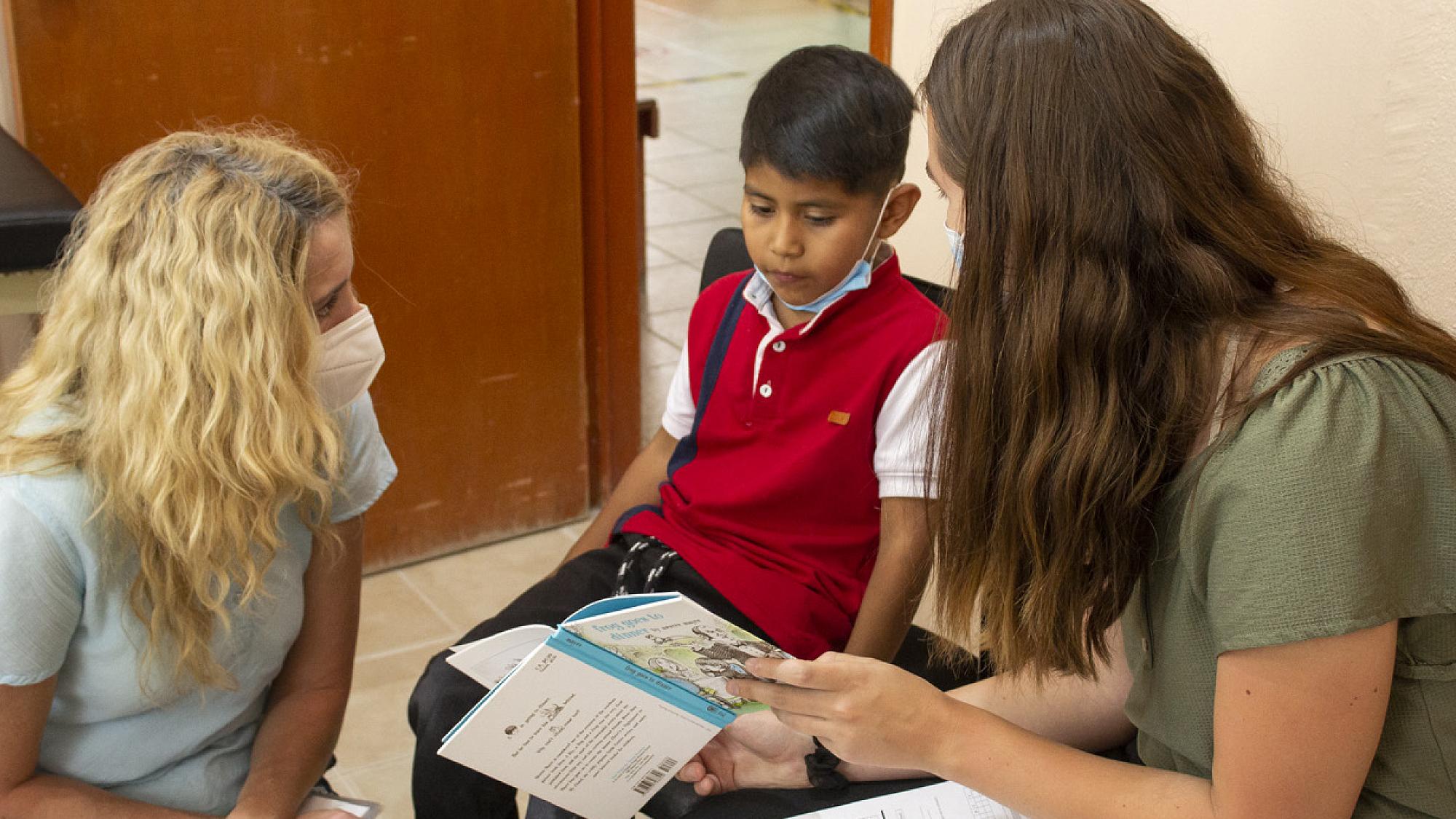
Learning Abroad In Mexico
This course provides students with theoretical and experimental learning opportunities. As a learning abroad course, students will engage in Spanish immersion classes, participate in learning projects with the agency of their choice, and participate in guided cultural tours within Oaxaca City, Mexico and its nearby towns (pueblos).
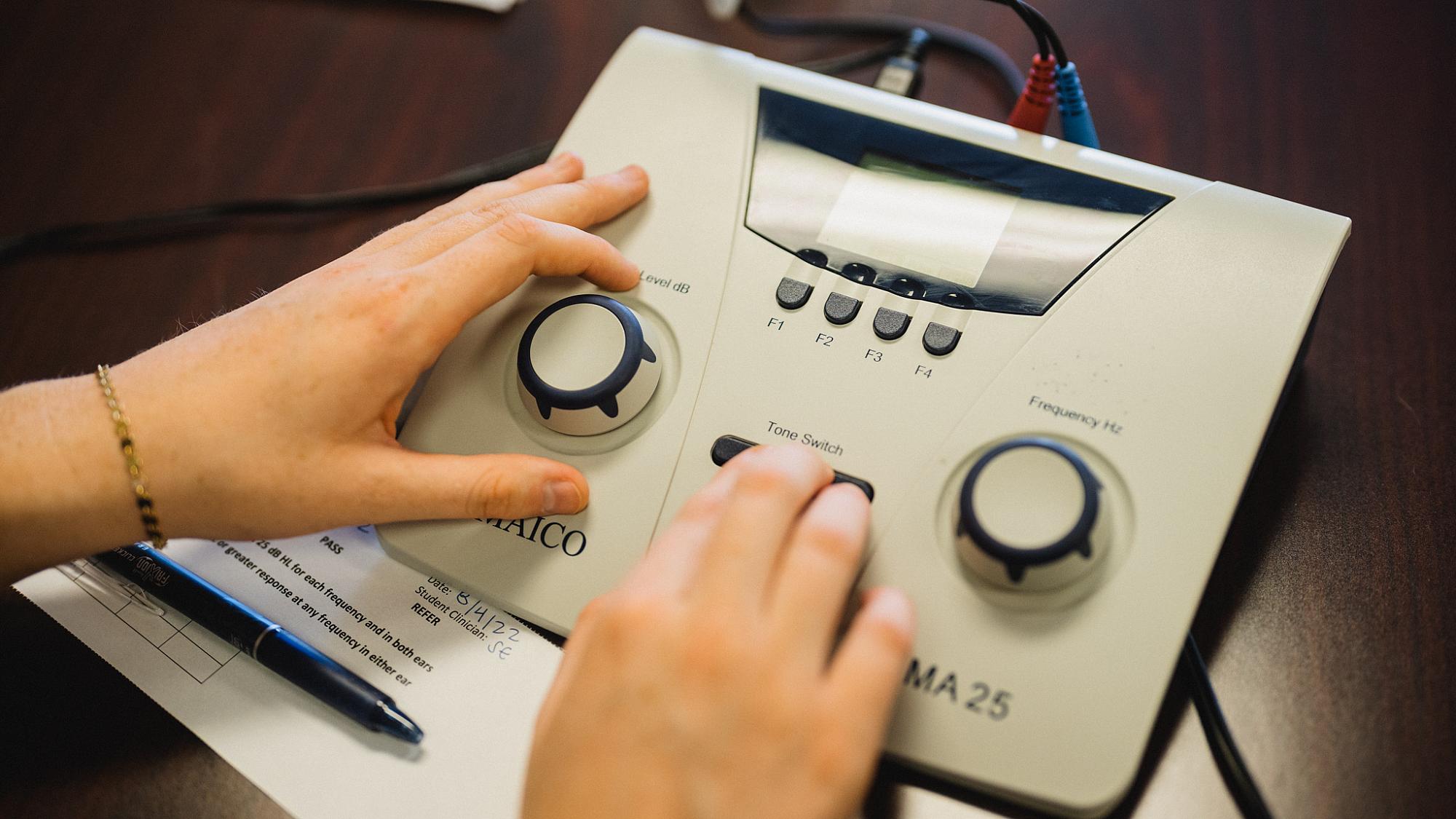
Populations with Communication Needs
Students will work with all types of people, including those with special needs, and/or marginalized individuals. Through CEL, students will gain a deeper understanding of the concept of health and educational disparities in our community.
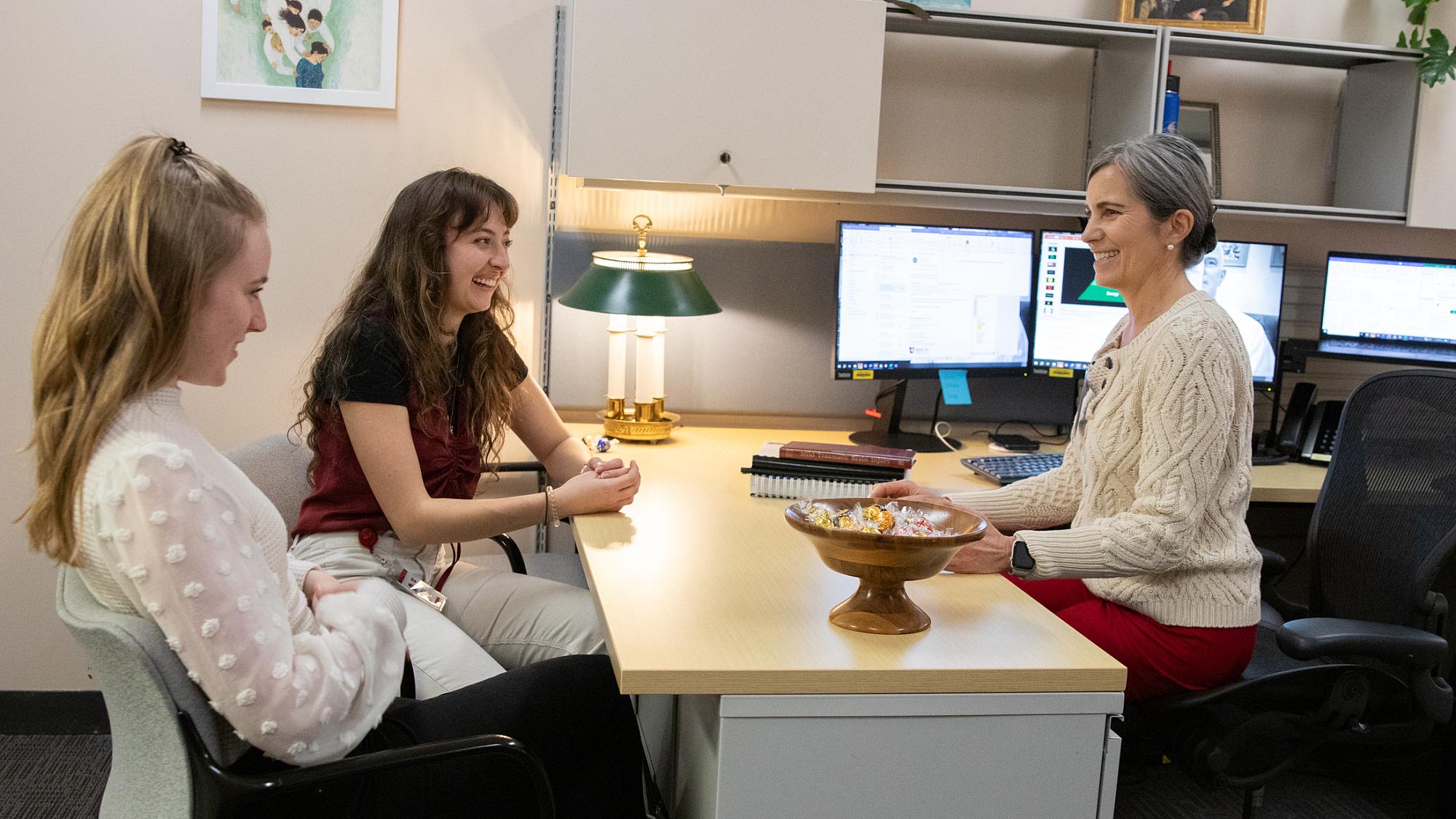
Cross-Cultural Competence Using Interpreters
To target the development of clinical skills when working with patients with limited English skills, students will engage in hands-on, instructor-led, role-playing scenarios to provide guided practice in how to interview patients using interpreters. The training scenarios will consist of a trio of students taking turns acting as a speech-language pathologist, patient/caregiver, and interpreter.
Requirements to Practice
A master's degree is required for professional practice in speech-language pathology, while a doctor of audiology (AuD) degree is required for professional practice in audiology.
Honors Thesis Guidelines
The Department of Communication Sciences and Disorders allows Honors students to use one of the following approaches in the completion of the thesis:
- Original qualitative/quantitative research
- Research that emerges from an ongoing faculty-led project
- Ancillary analysis(es) from an existing dataset
- Historical research
- Focused review of literature
Honors students are encouraged to present the thesis at the Utah Speech-Language-Hearing Association Conference, the American-Speech-Language-Hearing Convention, or other suitable professional meeting. Publication in a peer-reviewed journal is also encouraged but not required. Honors students are required to present the thesis at the University of Utah Undergraduate Research Symposium, typically held in April, and should the student desire, the thesis will be part of the Marriot Library’s institutional repository, USpace, for permanent electronic storage and public availability. Students submitting the thesis for publication to a professional journal should be aware of copyright requirements of the journal and consult with a librarian to navigate this situation if they submit the document to USpace.
The Honors College defines the thesis as: “..... a significant undergraduate research project completed under the supervision of a faculty member approved by the Honors Faculty Advisor in the student’s major. Its purpose is to advance knowledge and understanding within the context of a research university and to further develop the student’s intellectual, professional and personal growth as a member of the Honors College. Thesis projects may take different forms in different majors – e.g. laboratory experiments, historical research or artistic creations, to name a few – but always demonstrate research expertise in the major field, a command of relevant scholarship and an effort to contribute to that scholarship.”
Honors students are required to:
- View the Honors College website for general thesis requirements and timelines prior to meeting with the Honors Faculty Advisor.
- Join the Thesis Mentorship Community (Canvas page) within the Honors College.
- Complete 2-3 semesters of focused work toward the thesis in order to earn the Honors BS in Speech and Hearing Sciences.
- Commit a minimum of 5 hours per week while conducting thesis research.
In the first semester in the Honors College:
- Schedule a meeting with the Honors Faculty advisor in the College of Health through the Center for Student Success.
During the first and second years in the Honors College:
- Become familiar with faculty in the Department and their research. A thesis topic that interests you must fit within the scope of research conducted by a faculty member.
- Introduce yourself to faculty in the Department.
- Report to the Honors Faculty Advisor on progress toward the thesis and confirm that you are declared for the HBS or HBA degree.
During the second and third years in the Honors College:
- Identify specific areas of interest for the thesis.
- Complete human subjects training for Biomedical Researchers and Key Personnel and Good Clinical Practice training through CITI as well as any other preliminary training, reading or coursework required by the faculty member you wish to work with prior to engaging in the thesis.
- Meet with your Honors Thesis Advisor if you are having a difficult time identifying a potential thesis mentor.
During the third year in the Honors College:
- Identify your thesis mentor and the topic of your thesis.
- Determine whether your thesis will require specific approvals, such as from the Institutional Review Board, the Institutional Animal Care and Use Committee, Radiation Safety, etc.
- Complete the Thesis Proposal Form with your mentor no later than the beginning of the semester prior to the semester you plan to graduate. Provide copies of the proposal to your Honors Thesis Advisor and the Honors College.
During the third and fourth years in the Honors College:
- Enroll in the honors thesis course (4999) in your major. Consult with the Honors Thesis Advisor if your Department does not offer 4999.
- Write your thesis, using the Thesis Formatting Template for your final document.
- Meet regularly with your thesis mentor while writing the thesis to stay on track for your planned graduation date. Most faculty will want to meet at least biweekly for at least one hour.
During the semester of graduation:
- Follow the timeline provided on the honors thesis webpage.
- Present your thesis at the University of Utah Undergraduate Research Symposiumand/or some other professional meeting.
- Obtain signatures from your mentor, the Honors Faculty Advisor and the Chair of your Department on the face page of your thesis after receiving final approval of the document from your mentor.
- Submit your thesis to the Honors College.
Contact Us
Stacy Manwaring, PhD, CCC-SLP
Director of Undergraduate Studies
stacy.manwaring@hsc.utah.edu
Academic Advising Team
CSD Undergrad Advisor
Speech & Hearing Science Links