Department of

Physical Therapy and Athletic Training

Department of

Physical Therapy and Athletic Training

Pick Your Path

Advanced Degrees Rooted in Clinical Practice & Scientific Research

The Department of Physical Therapy and Athletic Training provides opportunities for collaboration in education, research, and clinical practice across the disciplines of physical therapy, athletic training, and sports medicine.

We offer advanced degrees in Athletic Training, Physical Therapy (DPT), and Rehabilitation Science (PhD) that are nationally certified and the next step on your way to a career in Physical Therapy and Athletic Training.
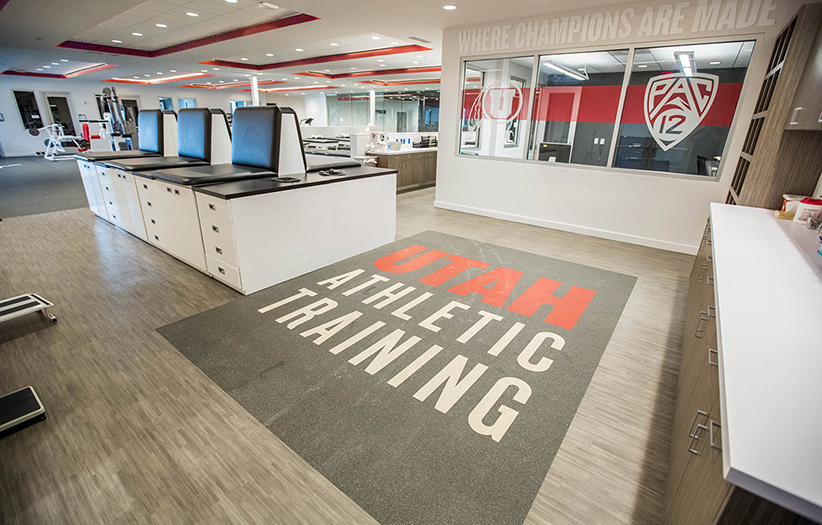
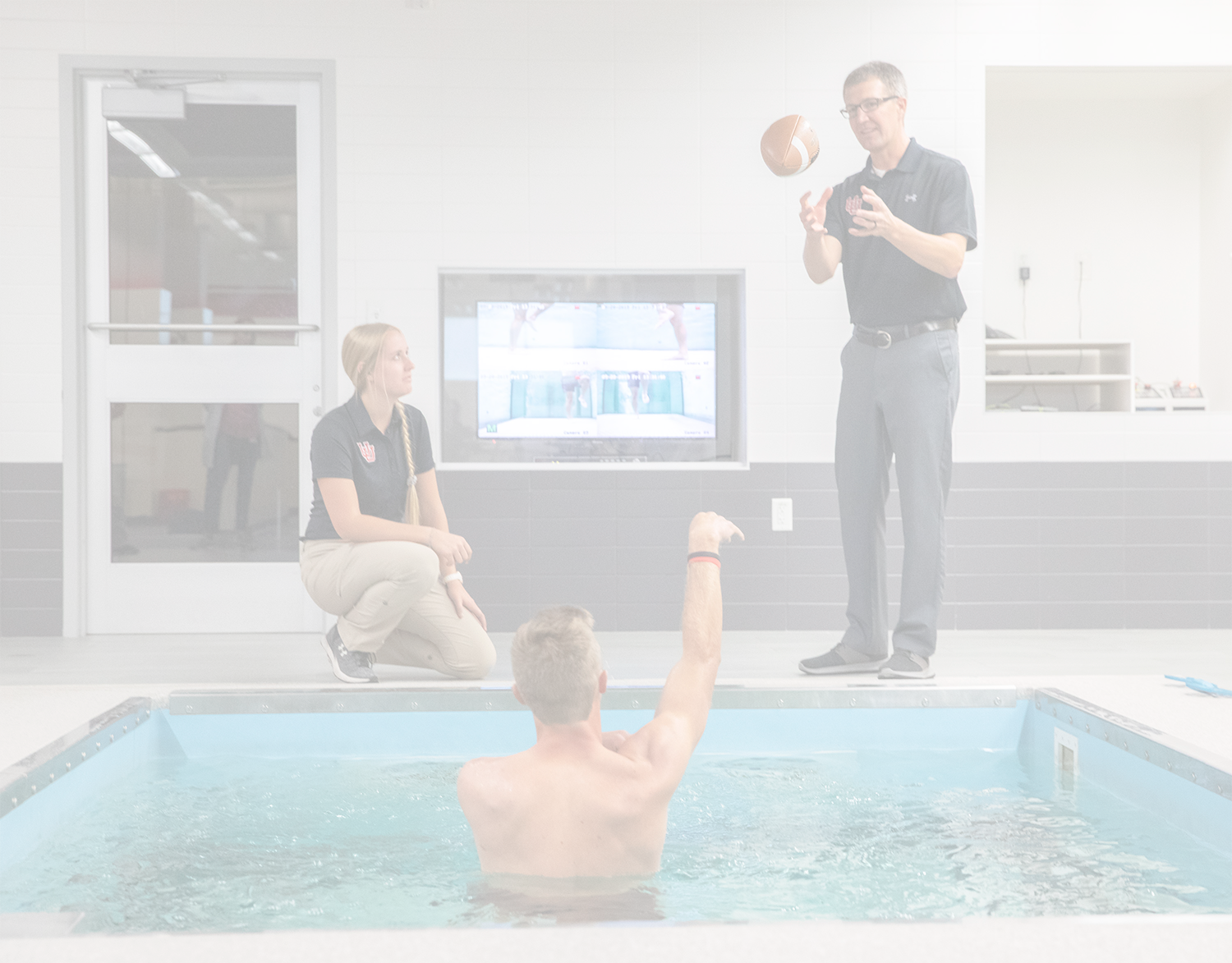
More Life in Physical Therapy & Athletic Training

Here in the College of Health, we offer degrees in Physical Therapy and Athletic Training. Our students don't just steady beating hearts, they dare to make them race.
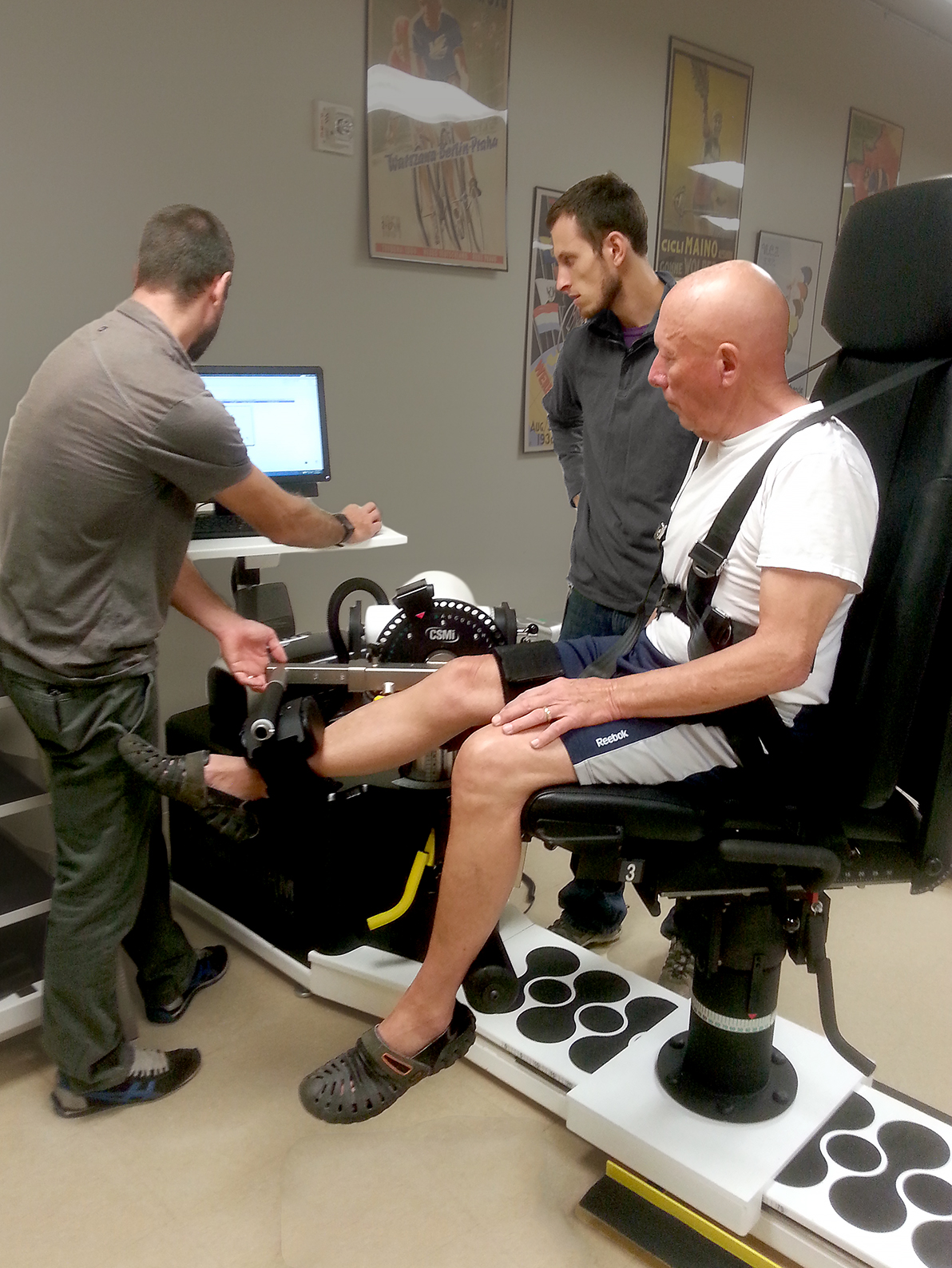
Why Choose Utah?

Ranked #9 in the 10 best places to live for college by CNBC


Department Stories

New Wearable Technology Helps Improve Mobility After Stroke


In a strong partnership between the John and Marcia Price College of Engineering and the College of Health, a new approach is showing promise for restoring mobility after stroke.

Although walking appears simple, it depends on complex neuromuscular coordination. After a stroke, when weakness affects one side of the body, the other side works harder to compensate, dramatically increasing the physical effort required for even basic movement. This can cause hemiparesis, a condition marked by impaired motor control, muscle weakness, and spasticity on one side of the body. Affecting roughly 80% of stroke survivors, hemiparesis contributes to reduced mobility, decreased independence, and significant declines in quality of life. It is also a leading cause of long-term disability in the United States. Individuals with hemiparesis often expend 60% more energy walking than people with a typical gait, leading to slower speeds, reduced endurance, greater pain, and an elevated risk of falls.

In a paper published in Nature Communications, the collaborative team demonstrated that a portable, lightweight hip exoskeleton can reduce the energy required to walk by nearly 20% in individuals with hemiparesis. Assistance levels are individualized for each patient, and an intelligent control system synchronizes with the walker’s natural rhythm—providing support precisely when the hip needs to lift or push off. Weighing just five and a half pounds, the device fits around the hips and attaches to the thighs. Battery-powered motors assist leg movement during each step, helping users achieve a more efficient gait pattern.

“One of the greatest challenges in stroke rehabilitation is improving long-term mobility and quality of life,” says Bo Foreman, PT, PhD, professor of physical therapy & athletic training in the College of Health and a collaborator on the study. “This work shows that assistive robotics can meaningfully address that challenge.”

Stay Connected

Follow Us

Doctor of Physical Therapy

Follow Us

Master of Athletic Training